
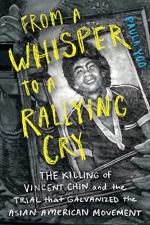
 Print
Print Word
Word PDF
PDF

|
| Name: _________________________ | Period: ___________________ |
This test consists of 5 short answer questions, 10 short essay questions, and 1 (of 3) essay topics.
Short Answer Questions
1. What was Michael Gardenhire eating when he saw Ebens standing over Victor with a baseball bat?
2. When Choi and Vincent waited outside the McDonald's what did they have as a makeshift defense weapon?
3. Where was Ebens' second civil rights trial moved to?
4. When was The Fancy Pants Club establlished as a movie palace?
5. During Nitz's testimony in Chapter 28, when did Nitz remember the last time he was in a fight?
Short Essay Questions
1. Why were Morris Cotton and Michael Gardenhire at McDonald's when VIncent was killed?
2. Where did Nitz work in 1982 and how long had he worked there?
3. How and why were the tapes from Lisa Chan's May 1983 meeting played in court?
4. When Ebens testified at the civil rights trial, what did he say about killing Chin?
5. What was the makeup of the jury and their decision in Chapter 34?
6. What was Judge Anna Diggs Taylor's background?
7. Why did prosecutor Theodore Merritt believe the baseball bat needed to be used as evidence during the civil rights trial?
8. What inspired Miriam Siefer to pursue a career in law?
9. When and why was the Fancy Pants Club closed?
10. What appointment did President Jimmy Carter give Judge Taylor?
Essay Topics
Write an essay for ONE of the following topics:
Essay Topic 1
There was controversy regarding the tapes Liz Chan recorded of a meeting she had with Koivu, Choi, and Siroskey in May 1983. Why was there a controversy about the tapes? Why did the tapes seem to indicate that Chan had tried to coach the men and tell them what to say about events they witnessed?
Essay Topic 2
The defense and prosecuting attorneys used legal maneuvering to present their clients in the best possible light. How did the defense and prosecuting attorneys use legal maneuvering to present their clients in the best possible light? Why was legal maneuvering important and how did it benefit their clients?
Essay Topic 3
Ebens and Nitz claimed they attacked Vincent Chin because they were defending themselves. Why did they claim self-defense? Why did the police not believe their claims?
|
This section contains 829 words (approx. 3 pages at 300 words per page) |
|





