
 Print
Print Word
Word PDF
PDF

|
| Name: _________________________ | Period: ___________________ |
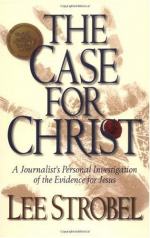
This quiz consists of 5 multiple choice and 5 short answer questions through The Scientific Evidence.
Multiple Choice Questions
1. Why does Metzger say discrepancies in the New Testament are inconsequential?
(a) The language has changed since then.
(b) They are minor.
(c) Some of their phrases do not exist in today's culture.
(d) They don't affect doctrine.
2. How far back do some manuscript fragments date the book of John?
(a) 33 AD.
(b) 125 AD.
(c) 90 BC.
(d) 3 AD.
3. Which of the author's interviewees has experience as an archeological expert in the Middle East?
(a) McDonald.
(b) McRay.
(c) Strobel.
(d) Boyd.
4. How many fragments of New Testament documents exist, according to Metzger?
(a) More than 5,000.
(b) 125.
(c) Almost 100.
(d) About 33.
5. Metzger compares the Bible to what era of other literature?
(a) Elizabethan.
(b) Ancient.
(c) Classic.
(d) Medieval.
Short Answer Questions
1. Why aren't all accounts of the gospel exactly alike, according to Blomberg?
2. What is the author's writing background?
3. What did Josephus write?
4. What does the author say the reader must set aside while reading the book?
5. Who was the second person to record that Peter's firsthand accounts were accurate?
|
This section contains 208 words (approx. 1 page at 300 words per page) |
|





