
 Print
 Word
 PDF

|
| Name: _________________________ | Period: ___________________ |
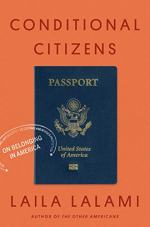
This quiz consists of 5 multiple choice and 5 short answer questions through "Tribe".
Multiple Choice Questions
1. In "Borders," Lalami writes that the Melilla border wall separates what?
(a) French people from Moroccan people.
(b) White people from Black and brown people.
(c) Good people from bad people.
(d) Americans from Moroccans.
2. What changes does Lalami say began to take place at the borders after 2006 while more border fence was built?
(a) Mexico-American relations became more strained.
(b) Illegal crossings increased.
(c) The border became more militarized.
(d) Border agents were laid off.
3. Where was Lalami and what was she doing when she was handed a flyer by the Muslim Public Affairs Council to vote for George W. Bush?
(a) She was at the university heading to work.
(b) She was giving blood at a nearby mosque.
(c) She was in the midst of a Q&A at a reading of her latest novel.
(d) She was at a cafe ordering a coffee.
4. Who does Lalami say was most impacted by the opioid epidemic?
(a) Muslim communities.
(b) Urban white communities.
(c) Rural white communities.
(d) Black communities.
5. In "Assimilation," Lalami cites a New York Times article complaining that Chinese people do not assimilate like other cultures did. What year was this article published?
(a) 1990.
(b) 1890.
(c) 1790.
(d) 2009.
Short Answer Questions
1. In 1992, Pat Buchanan ran for the Republican nomination saying he was focused on preserving what?
2. How many visas does Lalami say are issued to people from Muslim-majority countries on Trump's ban list?
3. When a woman in the audience asks Lalami about her upbringing in Morocco, what topic did the conversation shift to?
4. Lalami ends the chapter "Borders," saying that border walls have been monuments of what?
5. In "Tribe," what does Lalami say about the way non-dominant languages are viewed in the United States?
|
This section contains 304 words (approx. 2 pages at 300 words per page) |
|