BookRags.com Literature Guides Literature Guides Criticism/Essays Criticism/Essays Biographies Biographies My Bibliography Periodic Table U.S. Presidents Shakespeare Sonnet Shake-Up
Research Anything:        
History | Encyclopedias | Films | News | Create a Bibliography | More... Login | Register | Help
Not What You Meant?  There are 19 definitions for Boo.  Also try: Finch or Calpurnia.


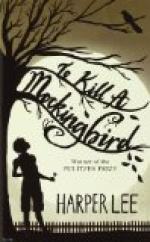
To Kill a Mockingbird - Harper Lee - 1960

Print-Friendly  Order the PDF version  Order the RTF version
About 30 pages (9,083 words)
To Kill a Mockingbird Summary

Bookmark and Share

Lee's novel could also be seen as the story of the love between a lonely recluse, Boo Radley, and the children he helps. Both the kind black man Tom and the painfully shy Boo are figurative mockingbirds, people who are put at risk by society's destructiveness despite their own fundamental goodness. Atticus tells his children not to shoot mockingbirds because they cause no harm and make beautiful music. The children easily empathize with Tom and mourn his downfall. They spend most of the novel learning to understand Boo and to separate the gossip they have heard from their own experiences of the man. In the end, Boo saves them from the murderous Bob Ewell, helping to restore the children's faith in human nature following the disastrous outcome of Tom's ordeal. Scout both sees the world from Boo's eyes and recognizes the sinfulness of subjecting him to public scrutiny, which she compares to killing a mockingbird. This realization constitutes a moral victory and exemplifies Atticus's message.

To Kill a Mockingbird is widely taught in high schools throughout America today, and its compassionate message continues to affect readers, even as its politics have become somewhat outmoded.

This is a free page. This page contains 177 words. This article contains 9,083 words (approx. 30 pages at 300 words per page).

Read the rest of this Article with our To Kill a Mockingbird - Harper Lee - 1960 Access Pass.

Copyrights
To Kill a Mockingbird - Harper Lee - 1960 from Literary Themes: Race and Prejudice. ©2008 Thomson Gale, a part of the Thomson Corporation. All rights reserved.

Join BookRagslearn moreJoin BookRags


About BookRags | Customer Service | Report an Error | Terms of Use | Privacy Policy