 Print
Print Word
Word PDF
PDF|
This section contains 8,387 words (approx. 28 pages at 300 words per page) |

|
Introduction
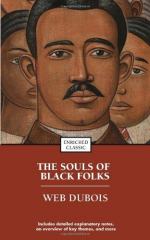
W. E. B. Du Bois is among the most influential African American leaders in U.S. history, ranked with Frederick Douglass, Booker T. Washington, and Martin Luther King Jr. Du Bois believed in immediate and uncompromising equality between the races. His accomplishments include becoming the first African American to receive a Ph.D. from Harvard; co-founding the NAACP (National Association for the Advancement of Colored People); editing the NAACP magazine, Crisis; and teaching at several major American universities. His groundbreaking work on the status of African Americans at the turn of the twentieth century, The Souls of Black Folk, was published in 1903 and remains a seminal text in African American history and literature. While many of Du Bois's other writings followed a strict format of...
|
This section contains 8,387 words (approx. 28 pages at 300 words per page) |
|