 Print
Print Word
Word PDF
PDF|
This section contains 3,966 words (approx. 14 pages at 300 words per page) |

|
by Sandra Cisneros
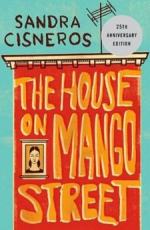
Sandra Cisneros was born in Chicago in 1954. Though she traveled often to Mexico City, she was raised primarily in Chicago barrios that "appeared like France after World War II-empty lots and burned out buildings" (Telgen and Kamp, p. 99). Life in the impoverished neighborhoods of Cisneros's youth revealed both hard truths and windows of opportunity: the social and economic hurdles faced by Mexican Americans, especially women, and the possibilities of surmounting those hurdles and changing the lives of individuals and the community. In The House on Mango Street Cisneros illustrates the development of an individual and a community. The novel exposes the adversity and prejudice encountered on a daily basis and also reveals the ability of individuals to combat these obstacles without relinquishing cultural identity.
Events in History at the Time of the Novel
Chicano movement. In the...
|
This section contains 3,966 words (approx. 14 pages at 300 words per page) |
|