 Print
Print Word
Word PDF
PDF|
This section contains 4,284 words (approx. 15 pages at 300 words per page) |

|
by Michael Ondaatje
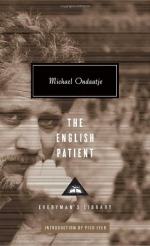
Michael Ondaatje was born in Ceylon, now Sri Lanka, in 1943. Educated in Sri Lanka and England, he immigrated to Canada in 1962. A poet and novelist, Ondaatje has become one of Canadas foremost writers, the center of a literary circle based in Toronto. Ondaatjes major works fuse history with a poets imagination. The Collected Works of Billy the Kid: Left-handed Poems (1970) mixes various literary forms to evoke an outlaw of the American West. Running in the Family (1982) is a fictionalized memoir of Ondaatjes own family. In the Skin of a Lion (1987) was inspired by the architecture of Toronto and the immigrants who helped build it. Anils Ghost (2000) looks at the civil war in Sri Lanka through the eyes of a young anthropologist. Ondaatjes most praised novel, The English Patient, studies the interior lives of four characters...
|
This section contains 4,284 words (approx. 15 pages at 300 words per page) |
|