 Print
Print Word
Word PDF
PDF|
This section contains 4,956 words (approx. 17 pages at 300 words per page) |

|
by Leo Tolstoy
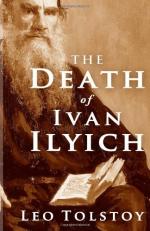
Leo Tolstoy had reason enough to lead a happy life. Born into an aristocratic and wealthy family in 1828, his material needs were easily met. His greatest novels, War and Peace and Anna Karenina (also in Literature and Its Times) brought him the adulation of his contemporaries and enduring fame as one of the worlds greatest writers. Yet, despite his successes, he suffered great emotional torment. He longed for the mother who died in his infancy, and he lost his father and other important family members during his childhood. The fear of his own death haunted him, sometimes propelling him toward religious orthodoxy, at other times creating nearly psychotic levels of anxiety. The subject of death surfaces frequently in his writings, but is treated most fully and with the greatest emotional depth in The Death of Ivan...
|
This section contains 4,956 words (approx. 17 pages at 300 words per page) |
|