 Print
Print Word
Word PDF
PDF|
This section contains 4,000 words (approx. 14 pages at 300 words per page) |

|
by Alice Walker
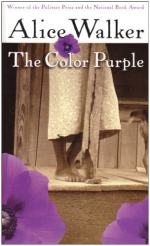
Born in 1944, novelist and poet Alice Walker grew up in the rural South, which provides the setting for much of her fiction. Active as a student in the civil rights movement of the 1960s, she began publishing novels in the 1970s that explored themes of racial and sexual conflict and identity. Her third novel, The Color Purple (1982), continued in this vein, enjoying huge critical and commercial success and making Walker an influential if controversial figure on the contemporary literary scene.
Events in History at the Time the Novel Takes Place
Black men and women in the rural South. The South in the early twentieth century remained largely rural and agricultural. Poverty was widespread, and sharecropping had replaced slavery as the central source of black labor, upon which Southern agriculture still relied. Beginning in 1915, many blacks broke away from sharecropping to seek...
|
This section contains 4,000 words (approx. 14 pages at 300 words per page) |
|