 Print
Print Word
Word PDF
PDF|
This section contains 3,496 words (approx. 12 pages at 300 words per page) |

|
by Herman Wouk
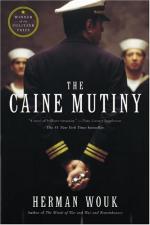
Herman Wouk was born May 27, 1915, in New York to Jewish immigrant parents. After graduating from Columbia University, he wrote jokes for radio comedians, and then he began to compose scripts. By 1941 Wouk was writing radio plays to promote war bonds. During World War II, he served as an officer in the U.S. Navy (1942-46) on a destroyerminesweeper in the Pacific. Wouk would later base his prize-winning novel The Caine Mutiny on this wartime naval experience.
Events in History at the Time of the Novel
Japanese industrial power. During the centuries when European empires were adding countries to their rosters of colonies, Japan was the only Asian land that managed to resist Western economic and political encroachment. Until the late 1800s, Japan's leaders had successfully protected their feudal island nation from outside influences. At the end of that century, however, they...
|
This section contains 3,496 words (approx. 12 pages at 300 words per page) |
|