
 Print
Print Word
Word PDF
PDF|
This section contains 2,443 words (approx. 9 pages at 300 words per page) |

|
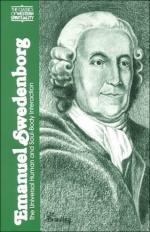
SWEDENBORG, EMANUEL (1688–1772), was a multifaceted genius, scientist, and visionary. He was born in Stockholm, Sweden, on January 29, and he died in London on March 29. Paradox surrounds Swedenborg's intellectual legacy. The scientific and philosophical works that brought him the acclaim of his contemporaries have largely been forgotten. The contributions that he made to the Swedish Board of Mines and the House of Nobles were significant, but like the efforts of most bureaucrats and politicians they were intended to have an immediate and practical impact on policy, not history. Thus, despite his genius, Swedenborg's exemplary life would attract scant notice, apart from his revelatory claims and his voluminous religious writings. He published his writings anonymously for almost twenty years and never attempted to gather a following. Nonetheless, after his death, followers devoted to his religious works appeared first in Europe and then around the world.
Education of Scientist and Civil Servant
|
This section contains 2,443 words (approx. 9 pages at 300 words per page) |
|



