 Print
Print Word
Word PDF
PDF|
This section contains 5,096 words (approx. 17 pages at 300 words per page) |

|
by Juan Rulfo
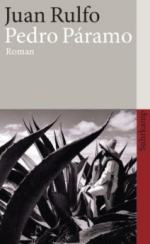
Juan Rulfo (1917-86) was born in Jalisco, Mexico, where, as a child, he experienced the violence of the government-Church conflict that escalated into the Cristero rebellion (1926-29). Losing both of his parents at an early age, Rulfo lived in a Franciscan orphanage before studying at the University of Guadalajara. In 1942 he began contributing to the journal America and in 1945 published the first in a series of cuentos, or short stories, that would form part of what is now considered his only other significant work, El Llano En Llamas (The Burning Plains). In 1954 Rulfo published fragments of Pedro Páramo, which appeared in its entirety in 1955 and distinguished itself as remarkable for its innovative style and intimate look at rural village life.
Events in History at the Time the Novel Takes Place
Rural Mexico in the late nineteenth century. Towards the end of the...
|
This section contains 5,096 words (approx. 17 pages at 300 words per page) |
|