 Print
Print Word
Word PDF
PDF|
This section contains 3,977 words (approx. 14 pages at 300 words per page) |

|
United States 1941
Synopsis
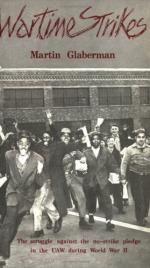
The entry of the United States into World War II in December 1941 brought near-total unanimity among the varying factions of the American labor movement in their support of the war effort. The AFL and CIO, two of the country's largest and most influential unions, were bitter enemies before the war, with antagonism over such ideals as craft (skilled) versus industrial (semiskilled and unskilled) unionism. Although not without conflicts during the war, leaders from both unions joined together and promised "no-strike pledges" for the duration of hostilities.
Even though the country stood united against the Nazi regime in Germany and the Imperial Japanese government, the no-strike pledge complicated the lives of union workers. The initial shock of being attacked on U.S. territory by Japanese forces, along with early Allied military setbacks, helped to control any pre-existing tensions...
|
This section contains 3,977 words (approx. 14 pages at 300 words per page) |
|