
 Print
Print Word
Word PDF
PDF|
This section contains 1,648 words (approx. 6 pages at 300 words per page) |

|
Overview
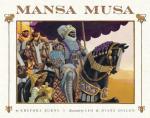
Though the modern nation of Mali is a landlocked country that, like much of Africa, suffers under extreme poverty, the medieval empire of Mali was quite a different place. Not only was its location along the Atlantic coast to the southwest of present-day Mali, it enjoyed considerable wealth, power, and prestige. The greatest of Mali's emperors was Mansa Musa, a devout Muslim who in 1324 made a pilgrimage to the Islamic holy city of Mecca. Along the way, he stopped in the Egyptian capital of Cairo and spent so much gold that he nearly wrecked the Egyptian economy. As tales of his wealth spread, he became...
|
This section contains 1,648 words (approx. 6 pages at 300 words per page) |
|



