 Print
Print Word
Word PDF
PDF|
This section contains 5,222 words (approx. 18 pages at 300 words per page) |

|
Charles Dickens
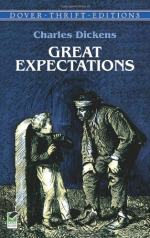
Great Expectations was the penultimate novel completed by the most popular novelist of Victorian England, Charles Dickens. Born in Kent, England, in 1812 to a family of modest means but great pretensions, Dickenss early life was marked by both humiliation and ambition. Dickens never forgot the period of financial crisis during his childhood, when following his fathers bankruptcy, he was taken out of school and forced to work in a shoe-polish warehouse. While the episode was relatively brief, it marked Dickenss later life in many ways: in the development of his own ambitions, in his sympathy for the poor and especially children, and in his outrage at social injustice and bureaucratic heartlessness. Great Expectations, written when Dickens was at the height of his popularity and success, demonstrates all these concerns. His thirteenth novel, it was not overtly autobiographical, as his earlier David...
|
This section contains 5,222 words (approx. 18 pages at 300 words per page) |
|