
 Print
Print Word
Word PDF
PDF|
This section contains 2,995 words (approx. 10 pages at 300 words per page) |

|
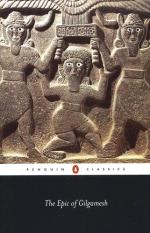
GILGAMESH, a Sumerian hero, god, and ruler of the city-state Uruk, is the subject of a classic epic poem that Mesopotamian tradition attributes to the priest-exorcist and scribe Sin-leqi-unnini. The poem was the product of a lengthy compilation effort, which resulted in the composition of the national poem of Babylon. Until the 1990s there were five known Sumerian works that described the deeds of Gilgamesh, king of Uruk. The Sumerologist Samuel Noah Kramer identified them as: "Gilgamesh and Agga," "Gilgamesh and Hubaba," "Gilgamesh and the Bull of Heaven," "Gilgamesh, Enkidu, and the Underworld," and "The Death of Gilgamesh." The environment in which they were conceived and composed has been generally regarded as the court of the third dynasty of Ur (c. 2100–2000 BCE), whose sovereigns sought to trace a direct link between the figure of Gilgamesh and the royalty of Uruk. Giovanni Pettinato has suggested that a 107-line text...
|
This section contains 2,995 words (approx. 10 pages at 300 words per page) |
|



