
 Print
Print Word
Word PDF
PDF|
This section contains 2,320 words (approx. 8 pages at 300 words per page) |

|
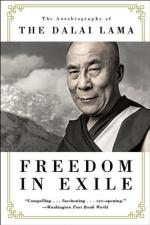
DALAI LAMA, title of the spiritual and formerly political leader of the Tibetan people, is a combination of the Mongolian dalai ("ocean"), signifying profound knowledge, and the Tibetan blama ("religious teacher"). The title dates from 1578 CE, when it was conferred by Altan Khan of the Mongols upon Bsod nams rgya mtsho (1543–1588), third hierarch of the Dge lugs pa school of Tibetan Buddhism, commonly called the Yellow Hat sect. The title was applied posthumously to the two preceding hierarchs, Dge 'dun-grub pa (1391–1475), founder of Bkra śis lhun po (Tashilhunpo) monastery near Shigatse in Gtsaṅ province, and Dge 'dun rgya mtsho (1475–1542), founder of the Dalai Lama's residence in 'Bras spung monastery near Lhasa in Dbus province. After 1578 the title was given to each of the successive reincarnations of the Dalai Lama. The present Dalai Lama is fourteenth in the lineage.
Incarnation (Tib., sprul sku), the manifestation of some...
|
This section contains 2,320 words (approx. 8 pages at 300 words per page) |
|



