
 Print
Print Word
Word PDF
PDF|
This section contains 1,590 words (approx. 6 pages at 300 words per page) |

|
Overview
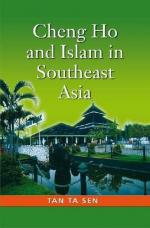
Between 1405 and 1433 admiral Cheng Ho (1371-1433) commanded seven grand voyages from China to southeast Asia, India, Arabia, the Persian Gulf, and the eastern coast of Africa. To some western scholars, versed in the European voyages of exploration that profoundly affected much of the world's history, the voyages of Cheng Ho appear enigmatic. The voyages of Cheng Ho were significant undertakings that demonstrated China's impressive maritime technology and expertise, yet their impact was only short-lived. Undertaken with the aim of spreading China's imperial majesty to distant lands, these endeavors were to have very different consequences than the early European voyages of discovery, which took place soon after. Having achieved the aim of opening up trade and the flow of tribute from distant lands, the voyages suddenly ceased and private overseas trade banned by royal...
|
This section contains 1,590 words (approx. 6 pages at 300 words per page) |
|



