 Print
Print Word
Word PDF
PDF|
This section contains 2,866 words (approx. 10 pages at 300 words per page) |

|
Born November 25, 1835 (Dunfermline, Scotland)
Died August 11, 1919 (Lenox, Massachusetts)
Industrialist
Philanthropist
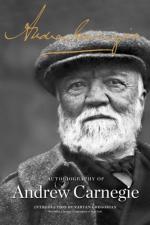
During his lifetime Andrew Carnegie's name immediately brought forth thoughts of the immense wealth he made through the steel empire he created almost single-handedly. The Scottish-born businessman possessed tremendous foresight and sharp managerial skills, and the innovations he brought to American industry revolutionized it and helped make the country a global economic power in the years following his death. Carnegie's legacy, however, involved more than making money. Carnegie came from a humble background and gave generously in his lifetime. After nearly thirty years in the steel industry, Carnegie sold his company to Wall Street financial backer J. P. Morgan (1837–1913; see entry) in 1901, and the deal made him the richest man in the world. He used it to fund his philanthropic efforts (aid given to promote human welfare), which centered on public libraries and schools in the...
|
This section contains 2,866 words (approx. 10 pages at 300 words per page) |
|