 Print
Print Word
Word PDF
PDF|
This section contains 2,645 words (approx. 9 pages at 300 words per page) |

|
Undelivered Closing Statement from the Scopes Trial
Published in 1925
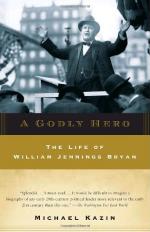
The 1920s was a period of great change in the United States, and the changes made some people uncomfortable. The clash between traditional values, especially religious fundamentalism (a strict form of Christianity based on the belief that the events in the Bible are true, rather than stories told to illustrate moral lessons), and modern trends was perhaps never more apparent than during the Scopes trial. This widely publicized, much discussed courtroom drama took place in the summer of 1925. It featured two figures already famous in public life: Chicago defense attorney Clarence Darrow (1857–1938) and longtime political leader William Jennings Bryan (1860–1925). In fact, the man who gave his name to the trial, defendant John Scopes, seemed to play only a minor role.
The Scopes trial began with the passage of Tennessee's Butler Act in January 1925. People who...
|
This section contains 2,645 words (approx. 9 pages at 300 words per page) |
|