 Print
Print Word
Word PDF
PDF|
This section contains 1,975 words (approx. 7 pages at 300 words per page) |

|
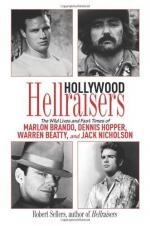
Marlon Brando remains unchallenged as the most important actor in modern American Cinema, if not the greatest of all time. Though a number of mainstream critics were initially put off by his slouching, brooding "method" style, he was nominated for an Academy Award in only his second film, A Streetcar Named Desire (1951), and went on to repeat the accomplishment with each of his next three performances: Viva Zapata (1952), Julius Caesar (1953), and On The Waterfront (1954), with the latter performance finally resulting in the Oscar for best actor.
Handsome enough to be a leading man and gifted enough to lose himself in his characters, Brando brought an animalistic sensuality and rebelliousness to his portrayals unseen in Hollywood before. Not content with simply learning his lines and playing the character as written or directed, the actor became the author of his portrayals. He maintained the view throughout...
|
This section contains 1,975 words (approx. 7 pages at 300 words per page) |
|