
 Print
Print Word
Word PDF
PDF|
This section contains 1,411 words (approx. 5 pages at 300 words per page) |

|
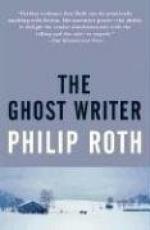
Sixty years after Joyce published his [bildungsroman known as A Portrait of the Artist as a Young Man], its themes sound hackneyed: a youth caught between his vision of the truth and the sentimental, institutionalized beliefs of his elders; the artist escaping from the world of his father through flights of fancy that become fact. To redeem this adolescent fantasy from the storehouse of cultural commonplaces, a writer has just two choices. The serious approach already canonized, Philip Roth applied his comic vision to the task. The Ghost Writer, haunted as much by Henry James as by James Joyce, is the result.
The story concerns Nathan Zuckerman, at one point called Nathan Dedalus, a young writer of promise who visits master of the short story, E. I. Lonoff, at his country home. Borrowed from James's "The Lesson of the Master," this device yields for Roth more than an...
|
This section contains 1,411 words (approx. 5 pages at 300 words per page) |
|



