
 Print
Print Word
Word PDF
PDF|
This section contains 2,197 words (approx. 8 pages at 300 words per page) |

|
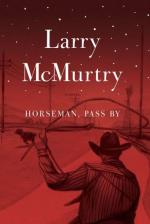
The different treatments of the same story in the novel Horseman, Pass By and the film Hud … show clearly the difficulty of translating the "mood" of a work of fiction into film and the necessity imposed by a visual medium of having characters act as visible foils to each other…. [The] film closely follows the plot of the novel, both in specific incident and in general intent. Horseman, Pass By … is remembered in retrospect through the eyes of Lonnie, its now older boyhood observer, who reflects upon the significance of a series of events that had happened on the ranch of his grandfather, Homer Bannon. Homer, a man past eighty years old, his wife, and Hud, her son by a former marriage, live on a ranch in Texas together with Lonnie and Halmea, the black cook and housekeeper. At the beginning of the novel a dead heifer has...
|
This section contains 2,197 words (approx. 8 pages at 300 words per page) |
|



