
 Print
Print Word
Word PDF
PDF|
This section contains 1,271 words (approx. 5 pages at 300 words per page) |

|
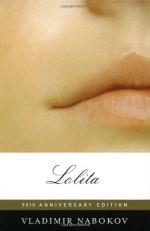
Evaluating Edward Albee's Lolita solely on the basis of injustices done to the Nabokov novel is a disservice to the play; such evaluation misses Albee's larger, more theatrical intent. The drama at best uses the novel as a departure point, adopts its narrative framework, exploits certain of its verbal and visual images. Albee unsuccessfully attempts something more ambitious than mere adaptation; his departures from the novel are calculated to facilitate his own theatrical and spiritual sensibility. Comparing the play and the novel makes such a sensibility manifestly clear. The Nabokov book should be examined to illuminate Albee's work; it should not be used as a sacrosanct standard by which to judge the quality of an adaptation.
Even enthusiastic admirers of the novel may forget the brief introduction that precedes the journal of Humbert Humbert. The manuscript has passed from Humbert to his legal counsel and subsequently to an...
|
This section contains 1,271 words (approx. 5 pages at 300 words per page) |
|



