
 Print
Print Word
Word PDF
PDF|
This section contains 391 words (approx. 1 page at 400 words per page) |

|
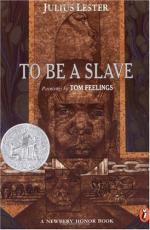
As Lester explains in an introductory note, To Be a Slave sprang from his research of slave narratives, documented in the nineteenth century by abolitionists, and from interviews with ex-slaves, recorded in the 1930s by members of the Federal Writers' Project.
Lester's voice mingles with those of the slaves as his commentary, woven throughout the book, sets the historical context for the narratives. He arranges the stories chronologically, dividing the book into chapters that tell the history of slavery from a black perspective, from the capture of blacks in Africa to their emancipation and continued persecution years later in the United States.
Lester's narration is deliberate and powerful, and his understated style underscores the dramatic effect of the slave narratives. The words of those who actually experienced the anguish of slavery create a vivid, wrenching historical account. These narratives contain most of the book's symbolism and...
|
This section contains 391 words (approx. 1 page at 400 words per page) |
|





