
 Print
Print Word
Word PDF
PDF|
This section contains 1,011 words (approx. 3 pages at 400 words per page) |

|
In the following essay, Garb explores how Silent Spring's emphasis on "natural balance and the web of life" rather than politics led to its wide acceptance, and impacted the book's logic.
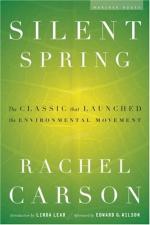
Scattered reports of problems with pesticides had appeared in the technical literature from the fifties onwards, but it was only in 1962 that a wide-ranging critique of pesticides was published for a popular audience. Brought out by a major trade press, this book charted the tremendous increase in the production and use of these chemicals since World War II, and documented their failings. Focusing on chlorinated hydrocarbons and DDT in particular, it described their physiological effects, their impact on human health and wildlife, and the inadequacy of existing pesticide regulation. The book demonstrated how pesticides were not only harmful, but ultimately self-defeating, since pests soon developed resistance while beneficial insects and animals that helped keep them in...
|
This section contains 1,011 words (approx. 3 pages at 400 words per page) |
|





