
 Print
Print Word
Word PDF
PDF|
This section contains 561 words (approx. 2 pages at 400 words per page) |

|
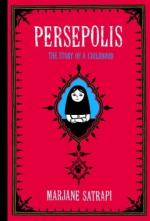
Persepolis was internationally praised for its intimate account of life in Iran during the Islamic Revolution and the Iran-Iraq War. Critics noted the way it combined a child's sense of wonder and simplicity, a cutting sense of humor, and an unflinching look at the brutality of violent events. Generally, critics regarded the art as purposively intensifying to the story, as Gloria Emerson wrote in the Nation: "Sometimes the drawings brilliantly show the unspeakable anxiety that afflicts Iranians."
However, Joy Press, writing for the Village Voice, unfavorably compared the black-and- white panels to "Michael Moore's silly two-minute gloss on American history in Bowling for Columbine—cute, but lacking insight."
Because of its subject matter and medium, Persepolis was most often compared to another work of autobiographical comics tied to world history: Art Spiegelman's animal allegory of the Holocaust, Maus. European nations such as France and Italy have...
|
This section contains 561 words (approx. 2 pages at 400 words per page) |
|





