
 Print
Print Word
Word PDF
PDF|
This section contains 268 words (approx. 1 page at 400 words per page) |

|
Jesus Christ Superstar Summary & Study Guide Description
Jesus Christ Superstar Summary & Study Guide includes comprehensive information and analysis to help you understand the book. This study guide contains the following sections:
This detailed literature summary also contains Bibliography and a Free Quiz on Jesus Christ Superstar by Andrew Lloyd Webber.
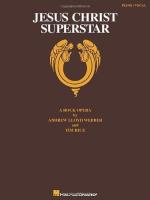
Jesus Christ Superstar, a two-act rock opera, gave opera a radical facelift through its use of vibrant rock music for a solemn topic. Andrew Lloyd Webber (music) and Tim Rice (lyrics) created a new kind of Jesus, a prophet / rock star whose appeal stems as much from the crowd's energy as from his own inspirational message. The album of songs, released a year before the first stage production of the play, created a market for the dramatic version, which opened to sold-out audiences who were already familiar with its songs. The play is a baroque fusion of styles, rock rhythm with ballad narrative, dramatic characterization with rollicking choreography, and operatic star performances that together paradoxically succeed in communicating a humble theme of love and acceptance. Sacred themes are fused with ancient political history and modern sensibilities into an entirely new form of theater art. To some critics the mixture was balanced, taut, and spectacularly successful, but to others, it was a travesty. Leaving out the Resurrection was considered both blasphemous and brilliant, bringing pick-eters to the streets to protest the play, while critics raved its genius. Jesus is portrayed as having human qualities, doubts, and faults, yet his crucifixion becomes all the more poignant for it. The play was unique in its genesis as well, having begun its life as a record, thus putting initial emphasis on musicality over plot and staging. The first Broadway musical to have started in this way, it remains an innovative work of drama and music that has weathered well with a production nearly always taking place somewhere in the world.
Read more from the Study Guide
|
This section contains 268 words (approx. 1 page at 400 words per page) |
|




