
Forgot your password?  
Related Topics

Guerrilla Warfare Quiz

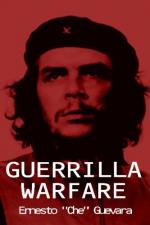
This Study Guide consists of approximately 25 pages of chapter summaries, quotes, character analysis, themes, and more - everything you need to sharpen your knowledge of Guerrilla Warfare.

Guerrilla Warfare Quiz

Students: Take our free Guerrilla Warfare quiz below, with 25 multiple choice questions that help you test your knowledge. Determine which chapters, themes and styles you already know and what you need to study for your upcoming essay, midterm, or final exam. Take the free quiz now!

Teachers: The BookRags Lesson Plan contains hundreds of test and quiz questions, including multiple choice, short answer, and essay questions. Create your own quiz or test with our automatic test generator, or choose from our ready-to-go chapter quizzes, midterm tests, and final exams. Don’t waste time reinventing the wheel, get the Lesson Plan today!

Directions: Click on the correct answer.

1)

Guevara writes that the principal source of provision for the guerrilla force is what? (from Chapter 2 The Guerilla Band (1. The guerilla fighter as social reformer, 2. The Guerilla fighter as combatant))

Stealing from the rich.
Peasants.
Government aid.
Enemy armaments.
2)

What refers to a sociopolitical movement that aims for a classless and stateless society structured upon common ownership of the means of production, free access to articles of consumption, the end of wage labor and private property? (from Epilogue (Analysis of the Cuban Situation, its present and future))

Capitalism.
Communism.
Socialism.
Democracy.
3)

A guerrilla army is organized into units of 100-150 men is called what? (from Chapter 2 The Guerilla Band (3 Organization of a Guerilla Band, 4 The Combat, 5 Beginning, Development, and end of a Guerilla War))

Columns.
Troops.
Brigades.
Squads.
4)

What term refers to a concerted stopping of work or withdrawal of workers' services, as to compel an employer to accede to workers' demands or in protest? (from Chapter 2 The Guerilla Band (1. The guerilla fighter as social reformer, 2. The Guerilla fighter as combatant))

Liquidation.
Vanguard.
Embargo.
Strike.
5)

The actual time spend in combat is much less than the time spent marching or what? (from Chapter 2 The Guerilla Band (3 Organization of a Guerilla Band, 4 The Combat, 5 Beginning, Development, and end of a Guerilla War))

Satirizing.
Indoctrinating.
Camping.
Strategizing.
6)

Guevara notes that the lines of supply will become more developed and complicated as the zone of _____ increases. (from Chapter 3 Organization of the Guerilla Front (1 Supply, 2 Civil Organization, 3 The Role of Women, 4 Medical Problem, 5 Sabotage))

War.
Operation.
Enemy territory.
Governmental control.
7)

When did the Cuban Missile Crisis take place? (from Epilogue (Analysis of the Cuban Situation, its present and future))

1959.
1975.
1952.
1962.
8)

What term refers to exclusive control of a commodity or service in a particular market? (from Epilogue (Analysis of the Cuban Situation, its present and future))

Vanguard.
Embargo.
Monopoly.
Controller.
9)

How does Guevara state the guerrilla war should progress in Chapter 2: The Guerrilla Band? (from Chapter 2 The Guerilla Band (3 Organization of a Guerilla Band, 4 The Combat, 5 Beginning, Development, and end of a Guerilla War))

From the highest officials downward.
Left to right.
Upward through ranks.
Zone by zone.
10)

What is the title for a commander of smaller groups of about 40 or 50 men within a guerrilla army? (from Chapter 2 The Guerilla Band (3 Organization of a Guerilla Band, 4 The Combat, 5 Beginning, Development, and end of a Guerilla War))

Commandante.
Lieutenant.
Captain.
Corporal.
11)

What service should be in direct contact with enemy fronts according to Guevara? (from Chapter 3 Organization of the Guerilla Front (6 War Industry, 7 Propaganda, 8 Intelligence, 9 Training and Indoctrination, 10 the Organizational Structure of the Army of a Revolutionary Movement))

Operational.
Naval.
Ground.
Intelligence.
12)

In order to ensure the health of the controlled zones, Guevara notes that clean water and what are essential? (from Chapter 3 Organization of the Guerilla Front (1 Supply, 2 Civil Organization, 3 The Role of Women, 4 Medical Problem, 5 Sabotage))

Medical personnel.
Adequate exercise.
Good nutrition.
External aid.
13)

Promotion within the guerrilla band should reward discipline and what? (from Chapter 2 The Guerilla Band (3 Organization of a Guerilla Band, 4 The Combat, 5 Beginning, Development, and end of a Guerilla War))

Humility.
Bravery.
Marksmanship.
Duty.
14)

What quality is the basis for authority according to Che Guevara? (from Appendices (1 Organization in Secret of the First Guerilla Band, 2 the defense of power that has been won))

Discipline.
Ruthlessness.
Intelligence.
Godliness.
15)

Guevara states that even if the guerrilla possesses the requisite skills and physical qualities, he will need what to keep him motivated and to endure the hardships that await him? (from Chapter 2 The Guerilla Band (1. The guerilla fighter as social reformer, 2. The Guerilla fighter as combatant))

Family communication.
Money.
Prayer.
An ideal.
16)

Within the propaganda organization there should be periodicals aimed at whom, according to Guevara? (from Chapter 3 Organization of the Guerilla Front (6 War Industry, 7 Propaganda, 8 Intelligence, 9 Training and Indoctrination, 10 the Organizational Structure of the Army of a Revolutionary Movement))

Enemy soldiers.
External nations.
Govermental agents.
Enemy regime.
17)

In the first Appendix, Guevara writes "The revolutionary in a clandestine situation preparing for war should be a complete" what? (from Appendices (1 Organization in Secret of the First Guerilla Band, 2 the defense of power that has been won))

Ascetic.
Marxist.
Philosopher.
Soldier.
18)

Sabotage on a national scale should be aimed principally at destroying what? (from Chapter 3 Organization of the Guerilla Front (1 Supply, 2 Civil Organization, 3 The Role of Women, 4 Medical Problem, 5 Sabotage))

Ammunition.
Weaponry.
Communications.
Intelligence.
19)

Following the Cuban Revolution, Guevara performed a number of key roles in the new government included instituting agrarian reform as minister of what? (from Epilogue (Analysis of the Cuban Situation, its present and future))

Transportation.
Industries.
Finance.
Medicine.
20)

What was the familiar name of the Cuban agency formed to institute the Agrarian Reform Law? (from Epilogue (Analysis of the Cuban Situation, its present and future))

URTA.
INRA.
NATO.
UNICEF.
21)

As the revolutionary band grows, it must seek out more and more supplies and attempt to create _____ groups that can capture supplies and increase disruption of the regime through sabotage. (from Chapter 2 The Guerilla Band (3 Organization of a Guerilla Band, 4 The Combat, 5 Beginning, Development, and end of a Guerilla War))

Civilian.
Rural.
Urban.
Suburban.
22)

What industry does Guevara state will be centered all labor connected with the equipping of the mules, such as making their shoes? (from Chapter 3 Organization of the Guerilla Front (6 War Industry, 7 Propaganda, 8 Intelligence, 9 Training and Indoctrination, 10 the Organizational Structure of the Army of a Revolutionary Movement))

Iron works.
Steel works.
Copper works.
Tin works.
23)

The internal civil organization is responsible for raising supplies and taxes as well as running what operations? (from Chapter 3 Organization of the Guerilla Front (1 Supply, 2 Civil Organization, 3 The Role of Women, 4 Medical Problem, 5 Sabotage))

Espionage.
Justice.
Propaganda.
Sabotage.
24)

Guevara states that the most effective propaganda is that which is prepared where? (from Chapter 3 Organization of the Guerilla Front (6 War Industry, 7 Propaganda, 8 Intelligence, 9 Training and Indoctrination, 10 the Organizational Structure of the Army of a Revolutionary Movement))

From the civilian sector.
From the governmental sector.
Within the guerrilla zone.
From external governments.
25)

Guevara states that because of the physical and mental demands of the guerrilla, he must be rugged and preferably of young, ____ stock. (from Chapter 2 The Guerilla Band (1. The guerilla fighter as social reformer, 2. The Guerilla fighter as combatant))

Peasant.
Suburban.
Urban.
Industrial.
Copyrights
Guerrilla Warfare from BookRags and Gale's For Students Series. ©2005-2006 Thomson Gale, a part of the Thomson Corporation. All rights reserved.
Follow Us on Facebook
