 Print
Print Word
Word PDF
PDF|
This section contains 251 words (approx. 1 page at 400 words per page) |

|
Events during and after World War II precipitated individuals, particularly artists, to question the meaning of life that have resulted in what is generally identified as postmodernism. Within such works of art, the reader might expect to discover not only new themes but also experimental forms to express those themes. Examples include Ford Maddox Ford's The Good Soldier, E. M. Forster's A Passage to India, and James Joyce's many works, including Portrait of the Artist as a Young Man and Ulysses.
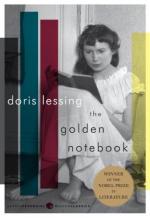
Although The Golden Notebook has its post-modern points, it is not the first instance of self-conscious narrative voices.
Cervantes' Don Quixote maintains such a dialectic between artifice and sense of reality that the individual eventually recognizes as illusory. Similar to encountering James Joyce's characters, such as Stephen Daedalus, the reader encounters a stream of consciousness; however, Joyce's characters do not make such elaborate attempts to...
|
This section contains 251 words (approx. 1 page at 400 words per page) |
|