
 Print
Print Word
Word PDF
PDF|
This section contains 847 words (approx. 3 pages at 400 words per page) |

|
The Ghost Sonata Summary & Study Guide Description
The Ghost Sonata Summary & Study Guide includes comprehensive information and analysis to help you understand the book. This study guide contains the following sections:
This detailed literature summary also contains Quotes and a Free Quiz on The Ghost Sonata by August Strindberg.
The following version of this text was used to create this study guide: Strindberg, Johan August, Miss Julie and Other Plays, translated by Michael Robinson. Oxford University Press, 1998. Kindle AZW file.
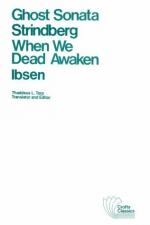
The Ghost Sonata by Johan August Strindberg tells the story of a chance encounter between a Student and an Old Man which leads to the Student becoming involved in the Old Man’s attempts to exact vengeance on a wealthy but dysfunctional family. It is divided into three scenes.
Scene 1 takes place on a street outside an upmarket apartment building. The Student enters and explains to a Milkmaid that he has spent all night assisting people who were injured when a building collapsed. The Old Man, already onstage, is bemused by the Student’s behavior because he cannot see who the Student is talking to. The Old Man introduces himself to the Student after recognizing his picture in newspaper coverage of the collapsed building. The Old Man claims to have known the Student’s father. The Student’s father blamed the Old Man for his bankruptcy, but the Old Man tells the Student that this was unjust. As recompense for believing lies about the Old Man, the Student agrees to do him some favors. The Old Man asks the Student to attend a performance of the opera The Valkyrie that night. The Old Man intends to buy the Student a ticket which will ensure that the Student sits next to the Colonel who lives in the apartment building and his beautiful daughter, known only as the Young Lady. The Student agrees to this plan despite his misgivings. The Old Man exits the stage and the Student quizzes the Old Man’s servant, Johansson, about the Old Man’s plan but Johansson refuses to explain what’s happening on the grounds that it is too complicated.
Scene 2 takes place inside the apartment building, in the unit belonging to the Colonel. Johansson speaks to the Colonel’s servant, Bengtsson, about the party being held there that evening. Bengtsson refers to the party as a “ghost supper” (265) because the attendees have all been meeting in the same way for many years, always saying the same things, or else remaining silent. Bengtsson introduces Johansson to the Colonel’s wife, known only as the Mummy, who appears to be mad. The Old Man arrives and asks the servants to announce him to the Colonel. The Mummy begins speaking with the Old Man, revealing that she is not mad after all. They discuss the fact that they used to be lovers and that the Old Man is really the father of the Young Lady, not the Colonel. The Mummy begs the Old Man not to destroy the Colonel’s life.
The Old Man joins the Colonel in the drawing room and reveals that he is calling in all of the Colonel’s debts meaning that the Old Man owns all of the Colonel’s property. The Old Man discloses that the Colonel is not really a nobleman and not really a colonel: that he is a servant who has been living under a false identity for most of his life. The other guests arrive for the ghost supper and the Old Man criticizes them for all of the immoral things they have done in their lives. He announces his desire for the Student to marry the Young Lady so that the Young Lady can finally have some good in her life, in contrast to the misery and lies of her family home. The Old Man is interrupted by the Mummy who claims that he is just as immoral as the rest of them and has no right to judge anyone else. She calls for Bengtsson who reveals that the Old Man once murdered a Milkmaid to cover up a crime that she had witnessed him committing. The Mummy instructs the Old Man to kill himself, which he does.
Scene 3 takes place inside the apartment building in what is known as the hyacinth room: a room in the Colonel’s unit filled with flowers where the Young Lady resides. The Student asks the Young Lady to marry him. She says that it would be impossible but refuses to explain why. The Young Lady explains that the Cook in the household is slowly starving her to death by draining the nutrients out of her food. The Student tells the story of his father’s death. His father used to attend gatherings with the same people over and over again for many years. The people would never say anything new to each other or criticize each other. The Student’s father hated these people but continued spending time with them. One night, he decided to tell all of them exactly what he thought of them after which he was imprisoned in a madhouse where he eventually died. The Young Lady abruptly becomes unwell and quickly dies. The Student reflects with sadness on how unpleasant the Young Lady’s life had been and hopes that she is now in a better place.
Read more from the Study Guide
|
This section contains 847 words (approx. 3 pages at 400 words per page) |
|




