 Print
Print Word
Word PDF
PDF|
This section contains 560 words (approx. 2 pages at 300 words per page) |

|
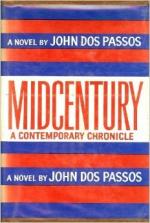
Midcentury Summary & Study Guide Description
Midcentury Summary & Study Guide includes comprehensive information and analysis to help you understand the book. This study guide contains the following sections:
This detailed literature summary also contains Themes on Midcentury by John Dos Passos.
Preview of Midcentury Summary:
Just as Dos Passos's social concerns represent a significant departure from those of the novels of the 1930s, his themes indicate artistic and philosophical maturation. He is concerned with the ways in which sexual and fraternal love pose an antidote to the universal problem of alienation. This theme receives a more optimistic treatment in this novel than in the U.S.A. trilogy (1930-1936). In those books, Dos Passos despaired of any possible...
|
This section contains 560 words (approx. 2 pages at 300 words per page) |
|