 Print
Print Word
Word PDF
PDF|
This section contains 3,905 words (approx. 14 pages at 300 words per page) |

|
by Plato
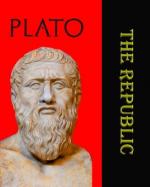
Plato (428-347 B.c.) was the son of wealthy and powerful Athenian parents. He rejected the political life that had corrupted members of his family and became a student under the famous scholar and philosopher Socrates. The Republic was written at a time when Athens was shaking itself off from its defeat by other Greek city-states in the Peloponnesian War, and when it and other city-states were negotiating the best methods of civic organization and rule.
Events in History at the Time the Dialogue Takes Place
Athenian democracy. The established political system out of which Plato wrote the Republic was a type of democracy, although Athenian democracy always had an element of aristocratic control about it. The Athenian democracy, which began in 510 B.c., replaced an earlier form of government by individual rulers called tyrannoi, or "tyrants," although the Greek word did not at first have...
|
This section contains 3,905 words (approx. 14 pages at 300 words per page) |
|