 Print
Print Word
Word PDF
PDF|
This section contains 229 words (approx. 1 page at 300 words per page) |
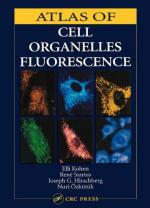
Cellular organelles are the membrane-bound or macromolecular structures that make up the internal architecture of the cell or provide compartments within which many metabolic processes take place. Among the most prominent membranous organelles of eukaryotic cells (those with membrane-bound nuclei) are mitochondria and chloroplasts (the primary energy sources for animals and plants respectively), lysosomes (the main digestive compartments of cells), smooth and rough endoplasmic reticulum (the site of synthesis of complex lipids and membrane or export proteins, respectively) and the Golgi apparatus (the major site for assembly, processing, sorting, and packaging of macromolecular products that will be shipped to other organelles or secreted from the cell). Among the most prominent macromolecular organelles are ribosomes (responsible for protein synthesis) and elements of the cellular cytoskeleton such as microtubules and microfilaments. Some cell biologists might also consider eukaryotic chromosomes to be organelles since they are large enough be seen during mitosis or meiosis in a light microscope. Prokaryotic cells (bacteria, some fungi and their kin) generally lack any of these organelles except ribosomes.
Organelles are important in establishing cell structure and provide a wide variety of individual spaces and surfaces within or on which different chemical compounds can be separated, organized, or stored. They also keep potentially incompatible reactions apart and allow higher plant and animal cells to simultaneously carry out a wide range of highly specialized metabolic operations.
|
This section contains 229 words (approx. 1 page at 300 words per page) |