 Print
Print Word
Word PDF
PDF|
This section contains 9,693 words (approx. 33 pages at 300 words per page) |

|
Introduction
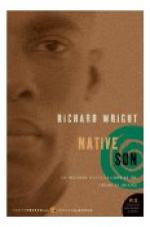
Richard Wright's Native Son, the first bestselling novel by an African American man, broke new literary ground—although, like all groundbreaking events, it involved upheaval. First published in March 1940, this story of a young ghetto man's erupting fury sold a quarter of a million copies in its first month. Bigger Thomas's extreme violence and his aggressive reaction to a society that has him cornered were intended to alert America to the mounting rage of disenfranchised blacks. In "How Bigger was Born," Wright describes his desire to warn people that there would be dues to pay for "the moral … horror of Negro life in the United States." In its message and subject matter, Native Son undeniably foreshadowed the civil rights and black liberation struggles to come.
Much of the criticism that still swirls around Wright's confrontational novel concerns...
|
This section contains 9,693 words (approx. 33 pages at 300 words per page) |
|