 Print
Print Word
Word PDF
PDF|
This section contains 1,787 words (approx. 6 pages at 300 words per page) |

|
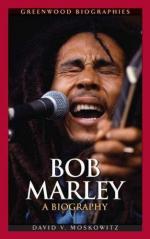
One of the most important and charismatic champions of human freedoms in the 1970s, Bob Marley emerged from humble beginnings and an early life of austere poverty in his native Jamaica to bring reggae music to international popularity. A rebellious visionary who was unabashedly invested in Rastafari religion, Marley and his group the Wailers became known the world over for songs of universal love and Biblical prophecy, including "No Woman, No Cry," "Jammin'," and others. Although Marley died of cancer in 1981, the singer/songwriter left behind a legacy of socially conscious work that continues to remain popular with audiences worldwide.
The man who would come to be a superstar was born Nesta Robert Marley on February 6, 1945 in St. Ann, Jamaica. After Marley's father died in 1955, young Robert spent his childhood being shuffled between the homes of his grandfather, his aunt, and his mother, Cedella...
|
This section contains 1,787 words (approx. 6 pages at 300 words per page) |
|