 Print
Print Word
Word PDF
PDF|
This section contains 2,362 words (approx. 8 pages at 300 words per page) |

|
c. 1567
Brouage, France
December 25, 1635
Quebec, New France (now Canada)
French explorer
" . . . I went to Quebec, wither some Algonquin savages came, expressing their regret at not being present at the defeat of their enemies, and presenting me with some furs, in consideration of my having gone there and assisted their friends."
Samuel de Champlain.
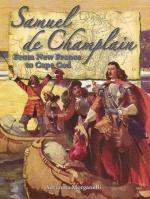
In 1608 the French explorer Samuel de Champlain visited New France, a French colony in North America that became the province of Quebec, Canada. Within four years he had convinced the French government that the land in North America had great potential for settlement and commercial development. Champlain made twelve journeys to New France to explore and consolidate French holdings in the New World (a European term for North and South America). He wrote six books about his expeditions and the importance of the new French settlement. Serving for a time as...
|
This section contains 2,362 words (approx. 8 pages at 300 words per page) |
|