
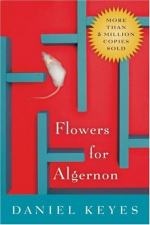
A Comparison of Flowers For Algernon and Hoods I have Known
Summary:
Compares the novels Flowers For Algernon, by Daniel Keyes and Hoods I have Known, written by Sonara Spatt. Explores the similar themes in each text. Describes how each of the two main characters get to live a different life style for a short period of time.
Both "Flowers for Algernon" by Daniel Keyes and "Hoods I have known", written by Sonara Spatt are short stories, which in hold two main characters that get to live in a different life style for a short period of time. The well-known statement is shown to be factual in these short stories; "You don't know anyone until you have walked a mile in that persons shoes." Charlie Gordon from "Flowers for Algernon" and the narrator from "Hoods I have Knows," both go through one event that changes their lives forever and teaches them a very valuable lesson. When the main character from "Hoods I have Known" gets pushed to the back of the classroom with all the greasers for reading a note her teacher asked her to deliver, she then becomes friends with one of the greasers named Danny. When Charlie was asked to get an operation, which was doomed to make him, smarted, he accepted this invitation and he saw life from a different perspective. The kid in Charlie had left for a short amount of time and he became intelligent adult Charlie. Both Charlie and the narrator are the lucky ones that got a chance to walk a mile in somebody else's shoes and learned from their past mistakes of judgment they have made before.
In "Flowers for Algernon" Charlie witnesses a mentally challenged dishwasher boy and starts to laugh at him, he then sees life in a different perspective and notices what he has changed into. In the dishwashers eyes he has scene himself. While out for lunch Charlie sees this Dishwasher boy shatter tons of plates in the restaurant. Large crowds of people just merely laugh at him along with Charlie.
While this sixteen year old boy just stood there frightened. For a while he was laughing along with the crowd until he noticed his "dull, vacaous smile, the wide, bright eyes of a child, uncertain but eager to please" (Keyes 26) look. Suddenly he felt sick inside and began to realize what he had turn into, he'd turn into the same people that his fake friends were being to him. He jumped up and started screaming at the restaurant furiously. "Shut up! Leave him alone! It's not his fault he can't understand! He can't help what he is! But he's still a human being!", Charlie proclaimed (Keyes 26). He had almost forgotten, forgotten the old Charlie Gordon looked up in the back of his head. He was now the bigger and better, but today he looked at that dishwasher boy and saw himself as he use to be. Charlie eventually lost his intelligence with time, but he will never forget, forget the lesson he learnt that day when he saw that dishwasher boy. He has now gained feelings and a sense of friends; though he may not be the sharpest tool in the shed Charlie knows what a true friend is and what it felt like to be loved.
This is the complete article, containing 494 words
(approx. 2 pages at 300 words per page).

