
 Print
Print Word
Word PDF
PDF|
This section contains 823 words (approx. 3 pages at 300 words per page) |

|
A substantial cache of uncollected [material] such as David Jasen has got together [in The Uncollected Wodehouse] might seem surprising in view of Wodehouse's long and famous career as a writer and the many published volumes of his stories and occasional pieces. Yet here it is—juvenilia, early contributions to Punch, school stories, lyrics, romances in his inimitable vein—all the familiar Wodehousean offerings. And what is more, all up to scratch. (p. ix)
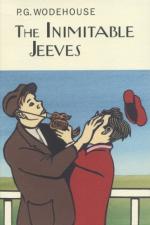
Wodehouse was not given to generalizing about his oeuvre, or to drawing attention to intimations of development in his fiction or characterizations. Jeeves, Bertie Wooster, Aunt Agatha and the rest of his bright creations were as they were from the beginning, and any suggestion that they or their circumstances might change with the years—for instance, I once put it to him that Jeeves might be given a life peerage by a Labour Government...
|
This section contains 823 words (approx. 3 pages at 300 words per page) |
|



