
 Print
Print Word
Word PDF
PDF|
This section contains 370 words (approx. 2 pages at 300 words per page) |

|
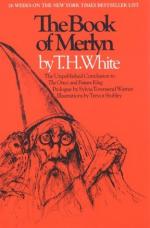
[The Book of Merlyn] was intended by the author to conclude his narrative series on King Arthur, the four books eventually brought together in The Once and Future King. It was never published. Written after the outbreak of World War II, its pacifist intention, together with the more mundane concerns of paper shortage, destroyed its chances of being printed. Texas Press discovered the manuscript in the archives of the Humanities Research Center at the University of Texas in 1975, and so, over 35 years later, White is able, posthumously, to end his Arthurian tale as he wished, with the King, discouraged by the end of his Round Table ideal, returning to the tutelage of his childhood mentor, Merlyn, and the company of Archimedes the owl, the badger, the hedgehog and the rest of the seer's teaching assistants, for a final lesson about war, human society, the wonders of the natural...
|
This section contains 370 words (approx. 2 pages at 300 words per page) |
|



