
 Print
Print Word
Word PDF
PDF|
This section contains 856 words (approx. 3 pages at 300 words per page) |

|
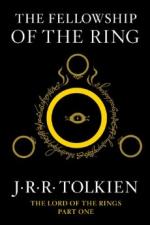
I suppose readers exist who do not enjoy Heroic Quests, but I have never met them. For many of us they are so much the most delicious form of literature that we can devour one even when our critical faculties tell us it is trash. Those who remember The Hobbit as the best children's story written in the last fifty years will open any new work by Professor Tolkien with high hopes, but The Fellowship of the Ring is better than their wildest dreams could have foreseen…. (p. 59)
For a contemporary writer who sets out to create a convincing imaginary world, the task is much more formidable than it was for the authors of the Courtly Romances, since he can neither write nor expect to be read as if the naturalistic novel and scientific historical research did not exist. It may give some indication of Mr. Tolkien's astonishing...
|
This section contains 856 words (approx. 3 pages at 300 words per page) |
|



