
 Print
Print Word
Word PDF
PDF|
This section contains 1,188 words (approx. 4 pages at 300 words per page) |

|
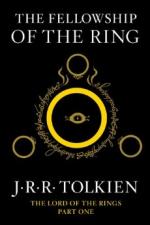
[The Fellowship of the Ring] is like lightning from a clear sky; as sharply different, as unpredictable in our age as [William Blake's] Songs of Innocence were in theirs. To say that in it heroic romance, gorgeous, eloquent, and unashamed, has suddenly returned at a period almost pathological in its anti-romanticism, is inadequate. To us, who live in that odd period, the return—and the sheer relief of it—is doubtless the important thing. But in the history of Romance itself—a history which stretches back to the Odyssey and beyond—it makes not a return but an advance or revolution: the conquest of new territory.
Nothing quite like it was ever done before…. The utterly new achievement of Professor Tolkien is that he carries a comparable sense of reality unaided. Probably no book yet written in the world is quite such a radical instance of what its...
|
This section contains 1,188 words (approx. 4 pages at 300 words per page) |
|



