
 Print
Print Word
Word PDF
PDF|
This section contains 182 words (approx. 1 page at 300 words per page) |

|
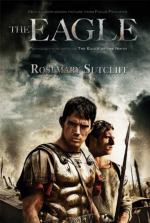
With each of her historical stories for older boys and girls, [Rosemary Sutcliff] writes better. Her "Eagle of the Ninth" was a stirring recreation of life in Roman Britain. Keeping to the same period, she now tells [in "Outcast"] an almost equally thrilling tale of a Roman boy brought up as a Briton, then rejected by his tribe, made a slave when he goes back to Rome, and … sent to the galleys. The plot finally takes him back to Britain, the land he truly loves, to find his father, his freedom, and his own true love.
The background has startling reality. Those "good readers" over twelve, who appreciate as fine and as long a story as this, will be absorbed, not only in the exciting action, the battles and escapes, but in the remarkably interesting details of life in Rome, of the sufferings of the galley slaves, of...
|
This section contains 182 words (approx. 1 page at 300 words per page) |
|



