
 Print
Print Word
Word PDF
PDF|
This section contains 436 words (approx. 2 pages at 300 words per page) |

|
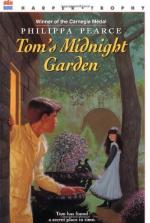
Personal experience, transmuted by imagination and fine writing—these are found … in Philippa Pearce's Tom's Midnight Garden. In this story, time loses its limits. (p. 122)
Although time stands still in Tom's world while he is in the past, it does not stand still for Hatty [Tom's playmate in the garden]. She is growing up even as Tom plays with her, and the magic, the wonder of the garden, the transcending of time must come to an end with the ending of her childhood. This familiar ending to time fantasies is beautifully handled, with great sympathy for the boy who suddenly sees his companion as a young woman. And there is a bold twist to the ending which sends the whole book back on itself, sends the reader rethinking the whole. For Tom, on the very day he is due to go home, meets the owner of the house...
|
This section contains 436 words (approx. 2 pages at 300 words per page) |
|



