
 Print
Print Word
Word PDF
PDF|
This section contains 239 words (approx. 1 page at 300 words per page) |

|
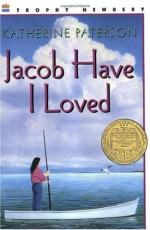
The author of Bridge to Terabithia … has again written [in Jacob Have I Loved] a story that courageously sounds emotional depths. Acknowledging her great interest in life in Chesapeake Bay, she describes the activities of the watermen living on a sparsely inhabited island during World War II and shows how the ethos of its isolated, strict Methodist community affected the thoughts and feelings of a rugged but sensitive and intelligent girl. (p. 622)
In addition to evoking the atmosphere of the remote island and the stark simplicity of its life—even supplying considerable detail about the ways and means of its shellfish industry—the author has developed a story of great dramatic power; for Wheeze is always candid in recounting her emotional experiences and reactions. At the same time, the island characters come to life in skillful, terse dialogue; Wheeze's grandmother actually touches on a daemonic dimension. The everyday...
|
This section contains 239 words (approx. 1 page at 300 words per page) |
|



