
 Print
Print Word
Word PDF
PDF|
This section contains 299 words (approx. 1 page at 300 words per page) |

|
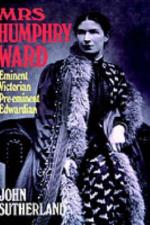
Ward was the granddaughter of Thomas Arnold, the influential headmaster of Rugby School, and the niece of the poet and essayist Matthew Arnold. Her father, also named Thomas Arnold, moved to New Zealand in 1847 and later accepted a position as a school inspector in Tasmania, where he married Julia Sorrell and where Ward was born in 1851. Ward's father resigned his post in 1856 after his religious conversion to Roman Catholicism and moved his family to England. Ward attended a series of boarding schools and joined her family in Oxford in 1865, when her father became a tutor there during a temporary return to Protestantism. In Oxford, Ward pursued independent studies, particularly in Spanish history, and later contributed sketches on that subject to a biographical reference work. Through her family Ward became acquainted with leading intellectuals and philosophers at Oxford University, among them Walter Pater, Mark Pattison, and T. H. Green...
|
This section contains 299 words (approx. 1 page at 300 words per page) |
|



