
 Print
Print Word
Word PDF
PDF|
This section contains 755 words (approx. 3 pages at 300 words per page) |

|
Mix together the following ingredients: a threatened natural environment, endangered plants and animals, and Indians resisting change, and you have the formula for a story that will be bought by an American public quick to applaud those who fight against change when it is perceived as unjust or unnecessary.
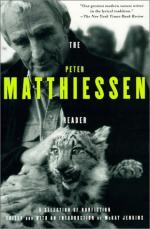
Peter Matthiessen, a naturalist and journalist who has only recently (in his In the Spirit of Crazy Horse) moved from the natural environment to Indians, has in this book combined both. Indian Country is neither history nor social analysis. It consists of personal reminiscences by Matthiessen and his informants. His principal informant, Craig Carpenter, was, in the 1950s, "by his own account, a 'half-baked detribalized Mohawk from the Great Lakes country trying to find his way back to the real Indians.'" In the "spiritual" journeys the two take together, many other detribalized urban Indians, far from their original...
|
This section contains 755 words (approx. 3 pages at 300 words per page) |
|



