
 Print
Print Word
Word PDF
PDF|
This section contains 492 words (approx. 2 pages at 300 words per page) |

|
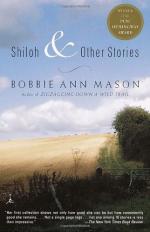
[Shiloh and Other Stories] has been treated to a remarkable amount of favorable critical attention for a first collection, and indeed [Mason's] appeal is undeniable. The first lines pull you in with an easy, quirky rhythm: "The former astronaut claims that walking on the moon was nothing, compared to walking with Jesus." Every story is rich with surface details, little pleasures and pains captured absolutely, of the everyday life of future shock in the provinces. Mason has really heard people speak the way her characters speak, and she has certainly watched the TV shows they watch.
When you turn the page, however, her people vanish, because their stories have no emotional gravity. Mason establishes an energetic comic distance, and then ends the stories with a little lurch of the heart, a closeness that seems tacked on. In "Old Things," for example, Mason presents Cleo, a middle-aged Kentucky widow...
|
This section contains 492 words (approx. 2 pages at 300 words per page) |
|



