
 Print
Print Word
Word PDF
PDF|
This section contains 509 words (approx. 2 pages at 300 words per page) |

|
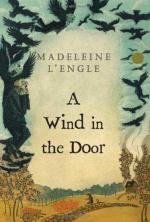
[Madeleine L'Engle's A Wind in the Door] attempts to get to the spiritual by way of fantasy/science fiction. But she also takes other routes as well: namely both the "dragon" road and that familiar street that runs through the unnoticed gap in the everyday and into the beyond. The result is that, in terms of wonder, we get nowhere. Mrs. L'Engle really can't make up her mind whether she wants the reader to be involved in the realistic dimension of her story (which is rendered with superfluous and unselective detail) or to be caught up in the discovery of the "other" in our lives. The idea for this story is a promising one: the discovery (by the children) of the presence, in the strange illness of one little boy, of a whole universe of struggle between good and evil, order and chaos, integration and disintegration. This is...
|
This section contains 509 words (approx. 2 pages at 300 words per page) |
|



