
 Print
Print Word
Word PDF
PDF|
This section contains 273 words (approx. 1 page at 300 words per page) |

|
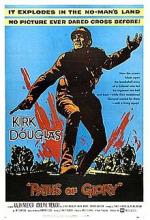
There is much in [Paths of Glory] that powerfully illustrates the physical horrors of war, but even more impressive and frightening is the study of its social structure. The world seems cruelly divided into the leaders and the led. The officers conduct their foxy intrigues in the elegant rooms of a great chateau, and the setting somehow emphasizes their indifference to human life. The men go to the trenches and into battle as in peace-time they went to offices or factories. The sequence of the attack itself, done mainly in a series of vivid, inexorable, lateral tracking shots, is a fearful reminder that war, simply, kills a lot of people; and the film finds an eloquent visual contrast between the grim carnage of the battlefield and the spacious luxury of headquarters.
We are in fact a long way from the emotional pacificism of All Quiet on the Western...
|
This section contains 273 words (approx. 1 page at 300 words per page) |
|



